The Decentred Shakespeares Network was created in 2021 with the aim of disrupting “ways of making, teaching and thinking about Shakespeare practice in the contemporary performing arts industry and the field of Shakespeare studies”. Over the past four years, this exciting collaboration has been “enabling, championing and spotlighting the process and creations of global artists and scholars” engaging with Shakespeare.
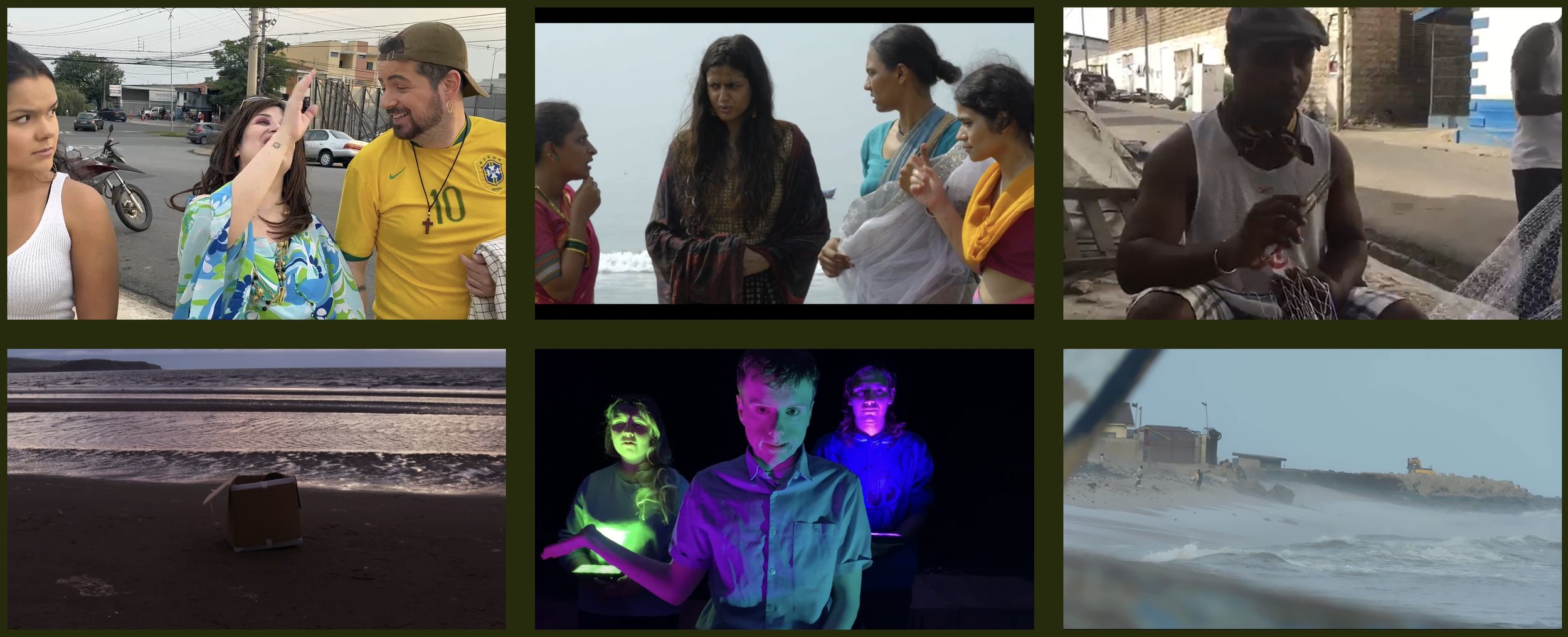
The Network’s mission statement describes three core pillars of digital performance practice:
Site and its layers of colonial, cultural and immediate history
People in the Site working with Shakespeare as a means to explore their identity
The Languages used by the People within the Site
Through performances, research publications and the creation of educational materials, the Decentred Shakespeares Network “serves to update the making and teaching of Shakespeare’s work in a way which speaks to the global values, technological capabilities and ethical focus of twenty-first century performance making”.
Now the Network has launched a new website to showcase its work and give shape to its future projects.
The Network includes artists and academics from India (BraveSpaces Creative India), Brazil (Cena IV Shakespeare Cia), Ghana (Act for Change) and Scotland (the University of the West of Scotland).
Visitors browsing the site will see, in its Timeline of the Network’s growth and development, some South African roots! Henry Bell of UWS reviewed the Shakespeare ZA initiative #lockdownshakespeare for Shakespeare Bulletin – he had used the #lockdownshakespeare videos as a digital resource in his teaching during the Covid-19 pandemic, reflecting with students on how the project showcased locations, accents and languages through self-taping and site choice.
This led to the 2021 online event Lockdown Shakespeare: Transnational Explorations, co-hosted by the Tsikinya-Chaka Centre at Wits University and the Creative Media Academy at the University of the West of Scotland, at which an international mix of scholars and artists shared ideas about site-based Shakespeares and digital practice. Enter creative producer Ben Crystal, who approached Bell and his UWS colleague Steve Collins “to establish a network that could share methods and practice with each other”.
Artists from Act for Change, BraveSpaces Creative India and Cena IV Shakespeare Cia were invited to film short extracts from Othello, Romeo and Juliet and Measure For Measure in Accra, Mumbai and Sao Paolo respectively, placing an emphasis on the processes behind these digital creations. “A nascent method was formed out of a decentred collaborative approach”, driven by the practice of performing artists from the global south: “This methodology was then applied to teaching at UWS that saw films created by BA Performance students in Scottish English inspired by the work created in Brazil, Ghana and India.”
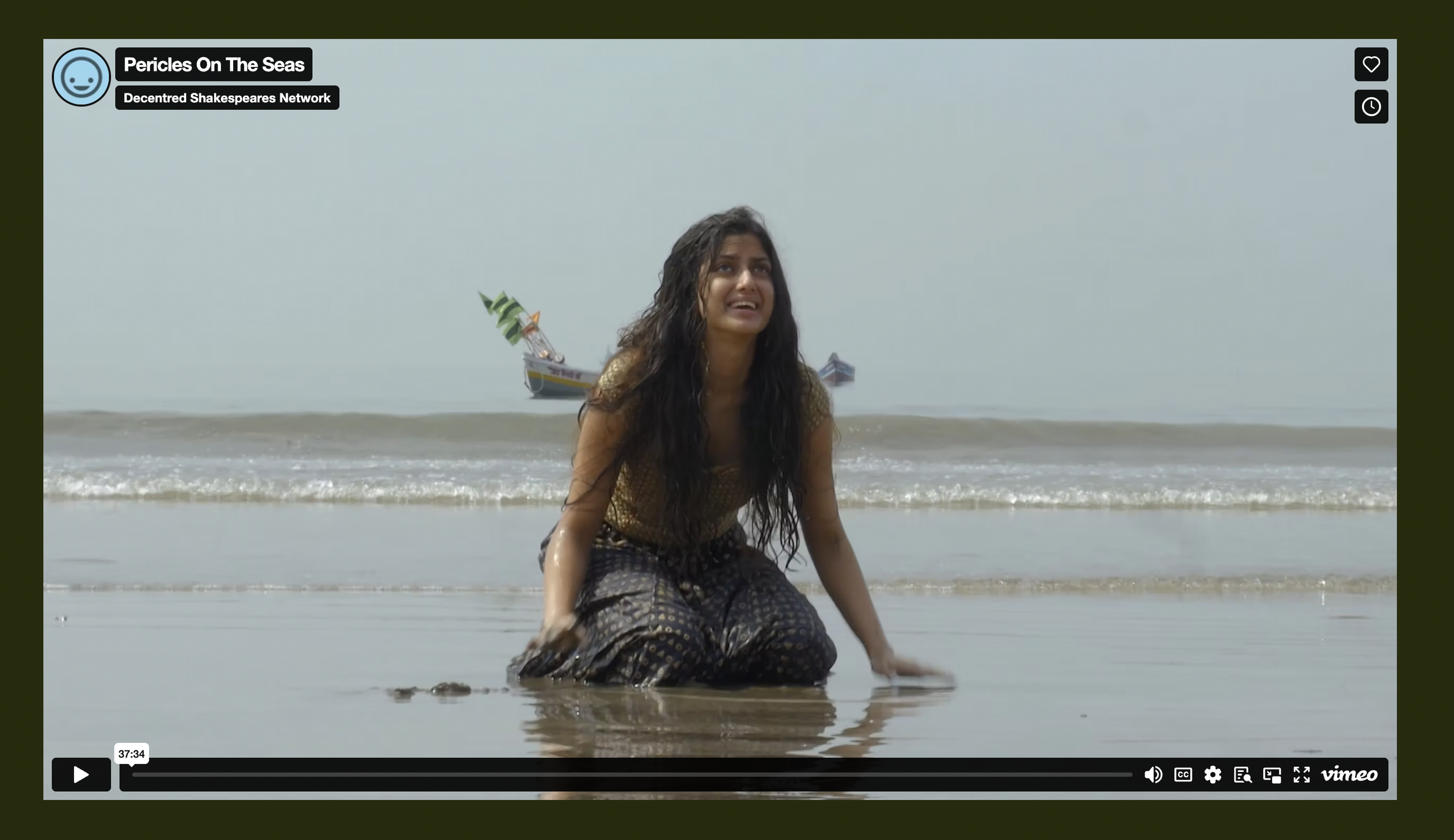
In 2022, this model was put to the test in the experimental production Pericles on the Seas, which took scenes from Pericles to develop new and innovative approaches to the text. In 2023, Bell and Collins travelled to South Africa to present at the Shakespeare Society of Southern Africa’s twelfth triennial congress, “Shakespeare Towards an End” (see also Shakespeare in Southern Africa volume 37). And at this year’s British Shakespeare Association (BSA) conference, representatives of the Network participated in a hybrid panel discussion on digitally-connected, site-based practice. Their video presentations, filmed on beaches and seafronts in Ghana, South Africa and Scotland, explored these “littoral zones” as sites for “linguistic and cultural resistance” via Shakespeare.
So what’s next for the Decentred Shakespeares Network? There will be more presentations on what is already a rich academic and artistic collaboration at the World Shakespeare Congress in Verona in 2026. And beyond that: watch this space.